





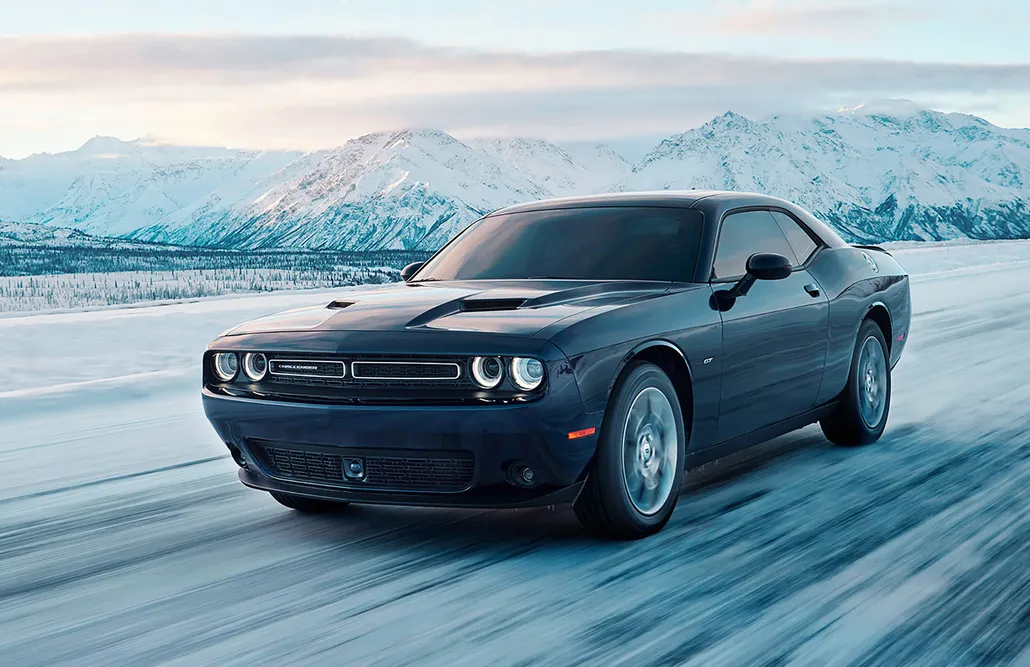
It’s that time of year again when the weather gets cold, and the roads are even colder. Most people get excited around this time because of Thanksgiving and Christmas. However, it is important to note that when the season changes and the temperature outside starts to drop, buyers begin to ask how important it is to invest in winter tires. It’s a question nearly as old as the automobile itself: Do winter tires actually make a difference? The answer is yes. But, some factors go into choosing the right tires for your vehicle that will be driven in winter conditions.
Temperature Differences
Living in an area where it is normal for the daily temperature to be 40 degrees or lower and have a good amount of snowfall, that’s when you know it’s time to buy some winter tires. In contrast, an all-season tire that is rated for snow will be better suited for climates where it dips into the freezing territory but hovers above 40 degrees. They can operate well in 20-30 degrees, but winter tires will allow for safer maneuverability and better braking performance even when it’s 0 degrees outside.
What About AWD Without Winter Tires?
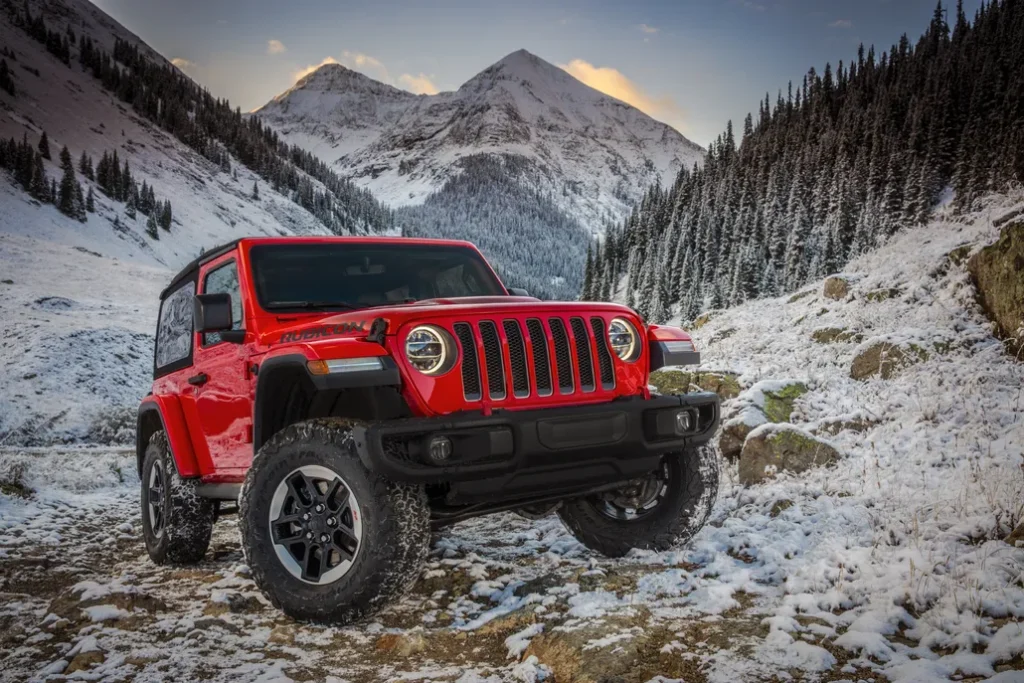
If you drive a Chrysler, Dodge, Jeep, or Ram with all-wheel drive, some people will probably tell you, “Oh, you have all-wheel drive, the weather is no big deal.” No, this is simply not correct. While you have a vehicle with four wheels actively receiving power at the same time, it does not mean the traction of that vehicle will be any better if you have the wrong tires on your car. If anything, it can make things more difficult. When it loses traction, the car will try to put power to the correct wheel(s). However, all of the wheels are attempting to get traction simultaneously, which has the potential for disaster. A dedicated winter tire can help your car stop up to 30 feet shorter on a snowy road at 30 mph compared to an all-season tire, according to testing from Tire Rack. That distance is probably tripled or quadrupled when compared to a summer tire that isn’t rated for snow.
Cold Roads, Worse Performance
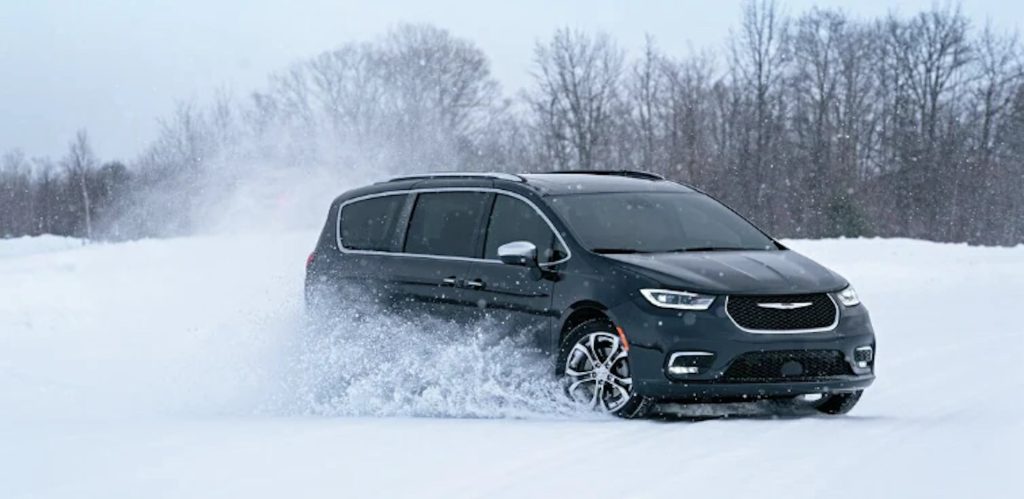
Summer tires are great for performance and sporty driving, but they get hard and take longer to warm up in temperatures below 40 degrees, making them unsafe. All-season tires are better in colder weather, and some can even handle a little snowy driving. Regular ambient temperatures below 20 and more than small amounts of snow will take their toll on all-seasons. Anything other than a dedicated winter tire will feel like you are driving on glass.
Which Winter Tire For My Car?
Like any other tire, winter tires have different specifications and types. If you have an SUV, truck, or sedan, you will be looking at a standard studless winter tire. If you live in mountainous areas where roads can stay packed with snow and ice for days or weeks at a time, you may want to look at buying studded tires, as they are going to provide much-needed grip with their small metal spikes/studs that can dig into the surface for improved traction. If you have a Charger or Challenger, for instance, then you’ll want to check out some high-performance winter tires that will suit the driving characteristics of your performance vehicle.
At Benna Chrysler Dodge Jeep Ram, we offer our customers some of the best prices and services. With dozens of new and used vehicles to choose from, our outstanding sales team and finance department will work hard to make sure you drive away happy. And our fantastic service department will take care of your new-to-you vehicle as if it were their own.
Connect with us


Recent Blog Entries
- Jeep Wrangler vs. Jeep Gladiator: Which Fits Your Lifestyle?
- The HEMI® Is Back: Why Ram Brought Back the V8 in the 2026 Ram 1500
- Ram 1500 Reigns as MotorTrend 2025 Truck of the Year
- Chrysler Unveils Pacifica FAV Edition
- Wagoneer S and 1500 Ramcharger Among Newsweek’s Most Anticipated Vehicles for 2025